What are your opinions about Six Benefits of a Tankless Hot Water Heater?
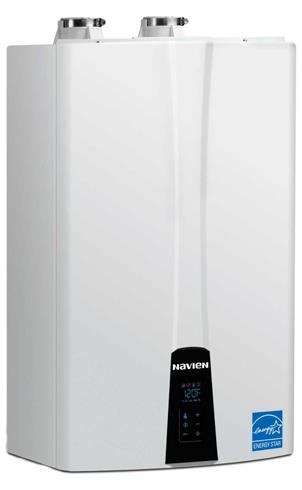
In a globe where ease and effectiveness reign supreme, it's not a surprise that property owners are continuously in search of smarter methods to handle their home's energy consumption and convenience. One development that has actually progressively acquired appeal is the tankless water heater. However just what makes these systems attract attention from the conventional tank-based versions the majority of us grew up with? Let's dive in and discover the advantages of tankless water heaters, aiding you determine if it's time to make the switch in your house.
Intro
Image this: you step into the shower after a long day, expecting a soothing waterfall of warm water, just to be welcomed by icy droplets due to the fact that the last person used it all up. Noise acquainted? Standard water heaters store a fixed quantity of hot water, meaning you're at the mercy of that storage tank's supply. Tankless systems, on the other hand, heat water as needed. No more going out mid-shower, say goodbye to wrestling with routines just to ensure warm water is available.
Recognizing Tankless Water Heaters
What Are Tankless Water Heaters?
Tankless hot water heater, in some cases referred to as on-demand or immediate hot water heater, offer hot water just as it's required. As opposed to keeping gallons of pre-heated water, these devices kick right into activity the minute you switch on the tap. Water goes through a heat exchanger, heating up in real-time, suggesting you obtain a nonstop circulation of warm water without the demand for a big tank sitting lazily by.
Exactly how Do They Differ from Typical Solutions?
Conventional heaters hold a reservoir of warm water, making use of energy to keep that container at a constant temperature level. Tankless systems get rid of the standing supply, minimizing squandered energy and the bulky footprint of a large cyndrical tube. Basically, you're upgrading from a "accumulation" way of thinking to a "made-to-order" approach.
Usual Sorts Of Tankless Systems
Tankless water heaters usually are available in 2 ranges: gas and electric. Gas versions have a tendency to supply higher circulation prices, ideal for larger families, while electrical designs typically offer smaller sized homes and are usually less complicated to install. In addition, some systems are designed for point-of-use (serving one component) while others can take care of the whole home's warm water demands.
Trick Advantages of Tankless Water Heaters
1. Unlimited Hot Water Supply
Ever had to schedule showers so everybody gets their reasonable share of hot water? With tankless, that ends up being a thing of the past. As long as the heating unit's flow capability isn't gone beyond, you can take back-to-back showers without becoming a popsicle.
2. Power Performance and Price Savings
No more heating up a titan storage tank's worth of water and keeping it cozy throughout the day. Tankless heaters reduce standby power losses, which can reduce utility expenses. While the initial cost may be greater, the long-lasting financial savings typically validate the financial investment.
3. Space-Saving Layout
If your home is short on storage, eliminating the bulky container liberates useful space. Tankless systems are small and can commonly be placed on wall surfaces, tucked away in edges, or mounted in tight energy wardrobes without having all to oneself the entire room.
4. Longer Life expectancy
A properly maintained tankless hot water heater can outlast its tank-based relative. Conventional containers might last 10-15 years, while tankless designs can maintain downing along for two decades or more, making them a strong financial investment over time.
5. Improved Water Top Quality
Saving water in a tank can often cause debris build-up or a slightly "off" taste. With tankless systems, fresh water is warmed right away, lowering the opportunities of debris build-up and potentially providing cleaner-tasting water.
Considerations Prior To Changing
Though the advantages are engaging, it's a good idea to take into consideration a few variables prior to totally devoting.
Initial Investment Expenses
Tankless heating units generally include a higher upfront price tag. Between the device itself and possible setup modifications, the preliminary expense might give you sticker shock. Yet remember to see it as a long-lasting financial investment.
Setup Requirements
Depending on your home's framework, you may require extra electric capacity or gas line upgrades. Ensure you comprehend the installation requirements and consult with a specialist to stay clear of shocks.
Reviewing Your Home's Water Use Patterns
If your family simultaneously makes use of multiple components with high warm water need, make certain the system's circulation rate satisfies your requirements. Recognizing your usage patterns helps you pick the best size and type of tankless heating system.
Upkeep and Care Tips
Tankless systems are relatively low maintenance, but they aren't set-it-and-forget-it appliances.
Regular Cleansing and Descaling
Hard water minerals can accumulate in the warmth exchanger, affecting effectiveness. Regular descaling (often recommended every year) keeps the device performing at peak performance.
Yearly Expert Evaluations
A yearly checkup from an expert makes certain small issues are caught early. They'll analyze the unit's efficiency, search for leaks, and aid maintain optimal effectiveness.
Ensuring Appropriate Ventilation
For gas designs, appropriate air flow is essential to safely remove exhaust gases. Make certain airing vent systems are tidy and properly installed to stop any type of prospective safety hazards.
Comparing Different Brands and Designs
Not all tankless water heaters are developed equivalent.
Investigating Trustworthy Manufacturers
Search for respectable brands with a history of producing top quality systems. A dependable producer typically offers better customer support and longer warranties.
Reading Testimonials and Individual Responses
Individual reviews and comments from neighbors or close friends who have actually gone tankless can provide beneficial insights. Occasionally, real-life experiences can be much more informing than advertising and marketing pamphlets.
Setup: Do It Yourself or Specialist?
While some home owners enjoy taking on projects themselves, tankless installation may not be the very best time to burst out the tool kit.
Pros and Cons of DIY Setup
A DIY set up could save money, but it includes dangers. Wrong installment can result in inefficiency or safety and security problems. If you're handy and have experience, it could be feasible-- however wage caution.
When to Call a Professional Plumbing Technician
For a lot of, calling a professional makes certain everything's done appropriately. A specialist plumbing professional comprehends regional codes, sizing requirements, and venting parameters, reducing the threat of incidents.
Making best use of Efficiency
You've bought a tankless unit-- currently maximize its effectiveness.
Optimum Temperature Settings
Lots of people set their units in between 120-140 F. Changing the temperature can improve comfort and cost savings. Experiment to discover a sweet spot that does not throw away energy.
Pairing with Low-Flow Fixtures
Want to stretch your device's capacities? Consider installing low-flow showerheads and taps. They reduce water use, allowing your tankless system to deliver a stable stream of hot water without stressing.
Ecological Effect
Tankless hot water heater line up with greener living objectives.
Lowered Carbon Footprint
By utilizing much less power and only heating water as required, tankless systems can reduce your home's carbon footprint, reducing your environmental influence.
Saving Natural Resources
Less energy usage and much less wasted hot water equate into less natural deposits being made use of, an ecological win-win.
Who Benefits Many from Tankless Heating systems?
The elegance of tankless heating units is that they can fit a variety of homes.
Large Households vs. Single Residents
Huge households could love the countless warm water supply, while solitary passengers value the energy cost savings from not heating up an entire storage tank for just someone's early morning shower.
House Owners with Restricted Room
If your home is short on square footage, shedding the large storage tank liberates room for other essentials-- or perhaps simply a lot more elbow room.
Eco-Conscious Consumers
Going tankless aligns with environmentally friendly values, ensuring you're not throwing away energy or resources.
Future Patterns in Tankless Water Heaters
The globe of home devices is ever-evolving, and tankless water heaters are no exemption.
Smart Home Combination
Think of readjusting your hot water heater's temperature level using an app or obtaining upkeep alerts on your phone. As clever home tech advancements, we'll see more connection and convenience.
Advancements in Modern technology
R&D is constantly enhancing warm exchangers, making units a lot more efficient and resilient. Future models may be also quieter, extra small, and much better suited for varying environments.
Final thought
Choosing a tankless hot water heater is more than just updating your home's warm water system; it's investing in long-term convenience, power efficiency, and a greener way of living. By considering your home's water usage, bearing in mind installation demands, and committing to regular maintenance, you can take pleasure in a consistent stream of hot water without the baggage of a bulky container. As modern technology advances, you can expect also smarter, much more effective tankless solutions that not only make your life less complicated however likewise benefit the planet.
The Benefits of Tankless Water Heaters
Tankless water heaters are more common than they used to be, but they still haven t overtaken traditional tank-style heaters in widespread use. Many consumers aren t quite sure how they work and because of this, they re hesitant to buy one. You may wonder if they can really keep up with your water demands or if they can get the water as warm as your current water heater can. After all, if you re not sure about how a tankless water heater performs, then you re certainly not likely to buy one.
In general, tankless heaters perform about as well as standard water heaters and actually manage to avoid some of the problems that you d encounter with traditional tanks. Let s look at some of the benefits these heaters offer so you can decide whether a tankless water heater is right for your home.
There s Always Hot Water
One of the biggest problems with traditional water heaters is that you only have as much hot water as the heater s tank can hold. If you re using a lot of water for dishes, laundry, baths and everything else, you can run out of hot water and be left with water that s warm at best and possibly just straight cold. When this happens, you have to stop everything and wait for the tank to fill back up then wait for all of that water to heat up.
Tankless heaters avoid this issue by heating water as it s used. A water pipe passes through the heater, the water in the pipe is quickly warmed to the temperature you set and once you re done using water no additional water is heated.
It Can Save You Money
That bit about tankless heaters only heating up water as you re using it is very important. Traditional heaters have to keep an entire tank full of water heated up in case you need it, while tankless heaters only heat the water that you re actually using. This uses significantly less energy and that can lead to some very significant energy savings in the long run.
There may be additional savings involved as well, since tankless water heaters are often designed to be more energy efficient than their tanked counterparts in general. This means that you not only have less active usage, but that active usage requires less energy to heat as well.
It Requires Less Maintenance
A typical water heater essentially contains two heating elements and a thermostat that controls them. This allows the water in the tank to have approximately the same temperature throughout so long as none of these parts are working properly. If (and when) they fail, you ll have to deal with lower water temperatures and the cost of replacing one or more components to get the heater back to normal operation. Additional costs may be incurred if you have your water heater tank cleaned to remove sediment, along with the inconvenience of not having hot water until it refills and reheats.
Tankless heaters have fewer parts to maintain and no tank to collect sediment. Instead of two separate heating elements, you have a single heater unit that isn t constantly in use.
It Takes Up Less Space
One of the big drawbacks of traditional water heaters is that they re big. The more hot water you want available, the bigger the tank has to be and the more room it takes up. This means that there s going to be some spot in your house with a large tank sitting in it, possibly using up space that might otherwise be used for storage or other purposes.
You don t have this problem with tankless heaters as they are typically wall mounted and have a very small footprint. All you need is enough room for the heater unit and the pipes leading into it, freeing up potentially valuable storage space and giving you many more options on where to position your heater.
It Prevents Ruptures and Leaks
One of the worst things that can happen with a hot water heater is to get a major leak or rupture. Given how much water one of those tanks can hold, you don t want it all spilling out onto your floor or into your basement or crawlspace. If you re not home when it happens, you might have even bigger problems since the water will still be running and trying to refill the leaking tank.
Tankless water heaters avoid this problem by simply not having a tank to rupture. You can still have a leak in one of the pipes entering or leaving the heater, but you ll have a lot less water coming out of a small pipe than you would a large tank. More importantly, it s easier to fix a pipe than a water heater tank.
https://www.diychatroom.com/threads/the-benefits-of-tankless-water-heaters.703295/
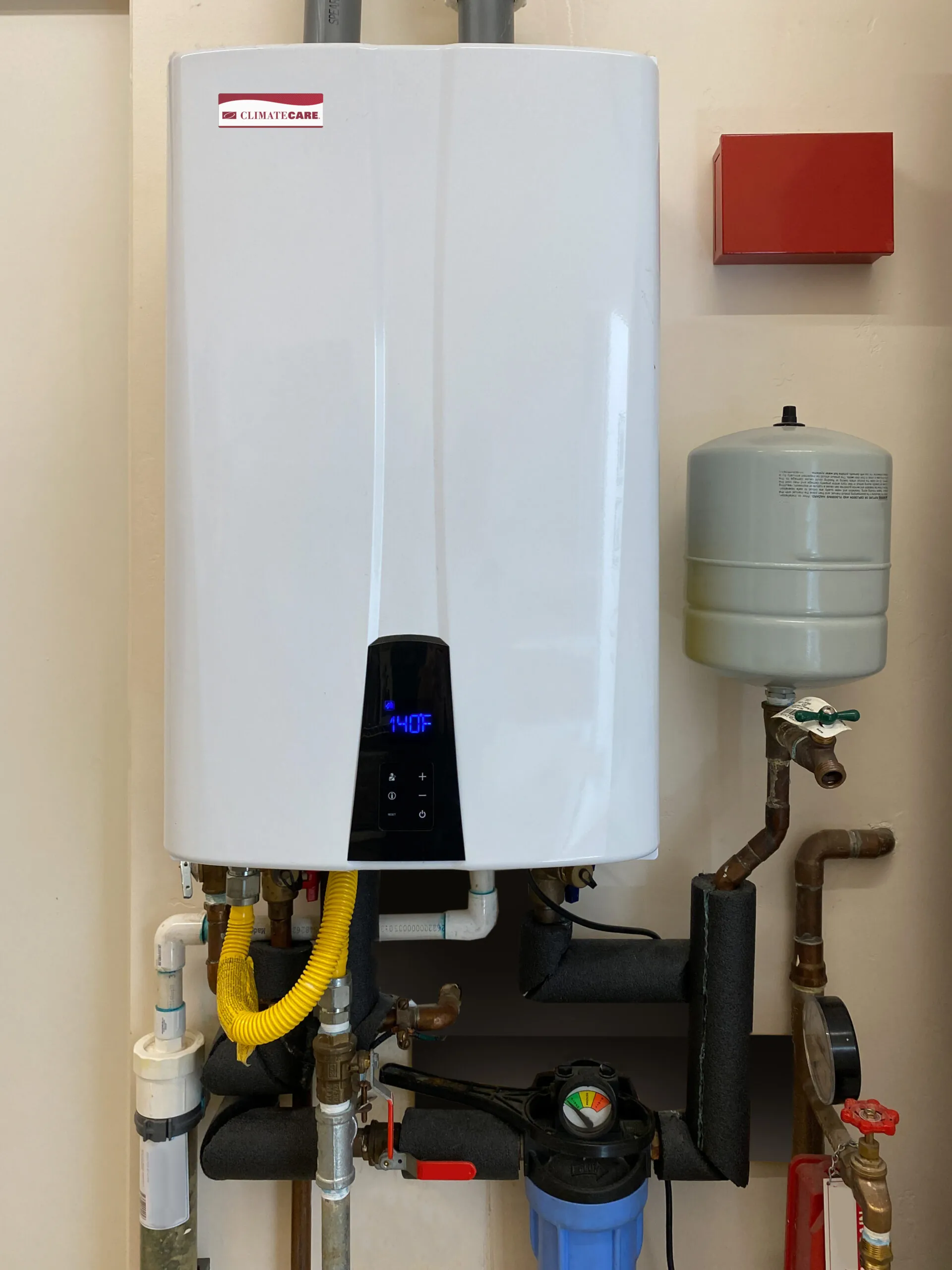
Do you really like reading about 5 Benefits of Tankless Water Heaters? Post a remark further down. We will be glad to hear your thinking about this write up. Hoping that you visit us again soon. Don't hesitate to take the time to distribute this page if you enjoyed reading it. Thank you so much for going through it.
Request Free Estimate